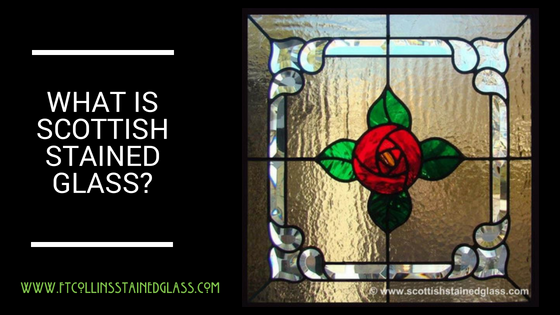
Leaded Glass vs Stained Glass: Fort Collins Light Transmission Guide
Two Cousins of the Same Craft
Leaded Glass vs Stained Glass: Fort Collins Light Transmission Guide — overview of key points, local considerations, and what to expect in Fort Collins.
When homeowners start exploring decorative glass, one of the first questions we hear at our Fort Collins studio is a simple one: what is the real difference in the leaded glass vs stained glass comparison? The two are close cousins, built with the same came-and-foil techniques, but they behave very differently once sunlight hits them. Understanding how each one transmits light is the key to choosing the right window for the right room, especially in a city like Fort Collins where we enjoy more than 300 days of sunshine a year and bright, high-altitude light streaming across the Front Range.
At its core, the distinction comes down to color. Stained glass is made from glass that has been colored during manufacture, usually with metal oxides added to the molten batch, so every pane glows with a permanent hue. Leaded glass, by contrast, is typically built from clear, textured, or beveled pieces held together by lead came. The lead lines create the art; the glass itself stays colorless. If you have ever admired an antique entryway window with sparkling geometric patterns and no color at all, you were looking at classic leaded glass. For a closer look at how we design in this tradition, see our work on leaded stained glass for a beautiful new style.
How Stained Glass Transmits Light
Stained glass acts like a filter. When sunlight passes through a colored pane, the glass absorbs most wavelengths and allows others through, so the light that lands on your floors and walls carries the pane’s color with it. A blue panel throws cool, watery light; an amber one warms a room like late-afternoon light in Old Town. This is why stained glass has been used in churches for centuries — it transforms light into atmosphere, not just illumination.
That filtering also means stained glass reduces the raw amount of light that enters a room. In north-facing rooms or spaces that already feel dim, a fully saturated window can feel heavy. In bright South College Avenue bungalows with big southern exposures, however, that color saturation is an asset: the strong Colorado sun has enough intensity to make deep jewel tones glow without leaving the room gloomy. Stained glass also offers real privacy, since the texture and color obscure direct views while still welcoming daylight — a quality we put to use in projects like hallway stained glass designed for privacy.
How Leaded Glass Transmits Light
Leaded glass takes the opposite approach. Because the glass is clear or lightly textured, nearly all of the available light passes straight through. What you gain instead is pattern: beveled edges bend and scatter sunlight into small prismatic flashes, and textured glass breaks the view without dimming the room. A leaded transom over a front door, for example, lets full brightness into a dark entry hall while turning the glass itself into a piece of geometric art.
This makes leaded glass the natural choice when light, not color, is the priority. Homeowners who want a period-appropriate look for a 1920s or Craftsman-era home — and Fort Collins has plenty of them in the Laurel, Sheely, and Whitney Gilbert neighborhoods — often prefer the restrained, architectural character of clear leaded windows. The bevels catch the low winter sun beautifully, throwing rainbow sparks across a foyer even on a January morning. Beveled detailing is a signature of this style, and you can see how we handle it in our beveled stained glass projects in Fort Collins.
Choosing between Them Room by Room
In the leaded glass vs stained glass decision, neither style is better; they simply solve different problems. A few guidelines we share with clients during consultations:
- Entryways and sidelights: clear leaded glass with bevels maximizes light in a typically dark space while adding privacy through texture.
- Bathrooms: either works, but colored or heavily textured glass gives more reliable privacy; leaded glass suits homeowners who want brightness above all.
- Kitchen cabinets and transoms: stained glass adds character and hides clutter behind cabinet doors, while leaded glass keeps an airy, open feeling.
- Living rooms and stairs: stained glass becomes a focal point that changes with the sun’s angle throughout the day.
Mixed designs are common too. Many of our favorite projects combine clear beveled borders with a band of color at the eye line — leaded glass geometry where light matters most, stained glass artistry where the eye lands. We explored this hybrid approach in our piece on using leaded glass to address privacy needs in Fort Collins homes.
Colorado Light Changes the Math
One more factor sets Fort Collins apart: altitude and sun intensity. At roughly 5,000 feet above sea level, our sunlight is noticeably stronger than what the same window would receive at sea level. Colors read richer and more vivid through stained glass, and bevels throw sharper prismatic highlights through leaded work. The trade-off is UV exposure, which can fade furnishings over time — a good reason to discuss protective glazing options with a professional studio rather than leaving decorative glass exposed on a wide southern wall. The craft itself is long-lived; the traditions behind leaded glass span more than a thousand years, which is a useful reminder that a well-built window is a generational feature, not a trend (learn more about the history of leaded glass).
Talk with Our Fort Collins Studio
The leaded glass vs stained glass choice comes down to how you want each room to feel — bright and architectural, or colored and atmospheric. Fort Collins Stained Glass designs, builds, installs, and restores both styles for homes, businesses, and congregations across Northern Colorado. Tell us about the room you have in mind, and we will walk you through light transmission, privacy, and design options at a free consultation, then prepare a custom quote for your project. Reach out to Fort Collins Stained Glass today and let’s find the window that fits your home.